









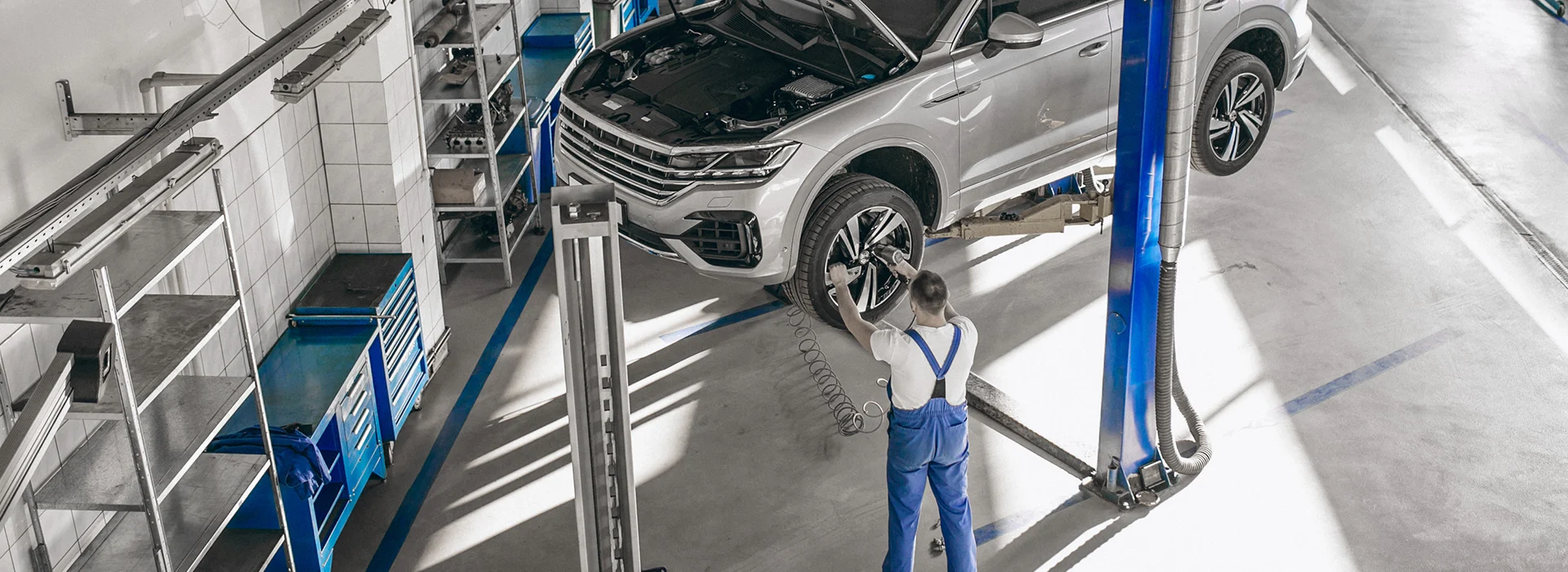
Expert Tire Install Services at Pugh’s Tire & Service Centers in Greenville, NC
Whether you’ve purchased new tires or need replacements, our experts ensure a precise and efficient installation process. Typically, our tire install service takes about 60 minutes, allowing you to get back to your day without unnecessary delays.
We pride ourselves on friendly, professional service tailored to car owners who value quality and reliability. While the average cost of tire installation can vary, we strive to offer competitive pricing that reflects the excellent care and expertise you receive at our center.
Choosing Pugh’s Tire & Service Centers means trusting a local Greenville business committed to your vehicle’s safety and performance. Visit us for your next tire install and experience service that keeps you rolling smoothly and safely.
- Improved Safety: New tires provide better traction and handling, reducing the risk of accidents, especially in wet or slippery conditions.
- Enhanced Fuel Efficiency: Worn-out tires can increase rolling resistance, causing your vehicle to consume more fuel. Replacing tires helps maintain optimal fuel economy.
- Smoother Ride: Fresh tires absorb road shocks better, offering a more comfortable and quieter driving experience.
- Better Performance: New tires ensure your car responds accurately to steering, braking, and acceleration, improving overall vehicle performance.
- Extended Vehicle Lifespan: Proper tire maintenance and timely replacement reduce strain on suspension and other components, helping your car last longer.
Regular tire replacement is a crucial part of vehicle maintenance that benefits both your safety and your wallet. Don't overlook this essential service to keep your car running smoothly and safely.
- Reduced Tread Depth: The tread on your tires provides traction and grip. If the tread is worn down to 2/32 of an inch or less, it's time for new tires. You can check this using a tread depth gauge or the penny test.
- Visible Cracks or Bulges: Inspect your tires for any cracks in the sidewall or bulges. These can indicate structural damage and increase the risk of a blowout.
- Uneven Wear Patterns: Uneven tire wear can result from improper alignment, unbalanced tires, or suspension issues. This not only shortens tire life but also affects handling.
- Vibration While Driving: Excessive vibration can be a sign of tire problems, including worn tires or issues with the wheel balance.
- Frequent Air Pressure Loss: If you notice your tires losing air pressure frequently, it could be due to worn or damaged tires.
Regularly checking your tires and recognizing these signs early can help you schedule a timely tire install and maintain your vehicle's safety and performance. If you notice any of these symptoms, consider visiting a professional tire service center for an inspection and replacement if necessary.
Here's a simple outline of the tire install process:
- Preparation: Park your car on a flat, stable surface and engage the parking brake. Gather all necessary tools, including a jack, lug wrench, and the new tires.
- Loosen the Lug Nuts: Before lifting the car, slightly loosen the lug nuts on the wheel you plan to replace. This prevents the wheel from spinning while you work.
- Lift the Vehicle: Use the jack to raise the car until the tire is off the ground. Ensure the jack is positioned correctly to avoid damage.
- Remove the Old Tire: Fully unscrew the lug nuts and carefully remove the tire from the hub.
- Install the New Tire: Align the new tire with the wheel studs and slide it onto the hub. Hand-tighten the lug nuts to hold it in place.
- Lower the Vehicle: Carefully lower the car back to the ground using the jack.
- Tighten the Lug Nuts: Use the lug wrench to securely tighten the lug nuts in a star pattern. This ensures even pressure and proper fit.
- Final Checks: Double-check the lug nuts for tightness and inspect the tire pressure. Adjust the pressure to the manufacturer's recommended level.
Following these steps will help you safely and effectively replace your tires. If you're ever unsure, consulting a professional tire install service is a great way to ensure your vehicle stays in top condition.
Customers often highlight the efficiency and speed of the installation, noting that their vehicles are ready to hit the road in no time. The staff's expertise ensures that tires are installed correctly, providing peace of mind and enhanced safety.
Additionally, car owners value the clear communication and helpful advice offered during their visits, which helps them make informed decisions about their tire needs. Overall, the combination of professionalism, friendliness, and quality service makes tire installation a pleasant experience for vehicle owners.
DIY Tire Installation
- Cost-Effective: Installing tires yourself can save money on labor fees.
- Convenience: You can work on your own schedule without waiting for an appointment.
- Learning Experience: It’s a great way to gain hands-on knowledge about your vehicle.
- Tools and Equipment: However, you’ll need the right tools like a jack, lug wrench, and torque wrench.
- Risk of Improper Installation: Without professional expertise, there’s a chance of incorrect mounting or balancing, which can affect safety and tire longevity.
Professional Tire Installation
- Expertise and Precision: Professionals have the training to install tires correctly, ensuring proper balance and alignment.
- Safety Assurance: Proper installation reduces risks like uneven wear or tire failure.
- Time-Saving: Professionals can complete the job quickly and efficiently.
- Additional Services: Many shops offer tire rotation, balancing, and disposal of old tires.
- Cost: While it may be more expensive than DIY, the investment often pays off in peace of mind and tire performance.
In summary, if you have the necessary tools and confidence, DIY tire install can be rewarding and economical. However, for most car owners, professional installation offers a safer, more reliable option that ensures your tires perform at their best. Consider your skills, tools, and priorities when making your choice.
Spring and Summer Tire Care:
- Check Tire Pressure Regularly: Warm weather can cause tire pressure to increase. Ensure your tires are inflated to the manufacturer’s recommended levels to avoid uneven wear and improve fuel efficiency.
- Inspect for Damage: After winter, look for any cuts, punctures, or sidewall damage that may have occurred. Addressing these issues early can prevent bigger problems.
- Rotate Your Tires: Regular rotation promotes even tread wear, extending the life of your tires and maintaining balanced handling.
- Consider Summer Tires: If you live in a region with hot summers, summer tires provide better grip and performance on dry and wet roads.
Fall and Winter Tire Care:
- Switch to Winter Tires: Installing winter tires before the first snowfall improves traction on snow and ice, enhancing safety during cold months.
- Maintain Proper Tire Pressure: Cold temperatures can lower tire pressure, so check and adjust it regularly to maintain optimal performance.
- Keep Tires Clean: Remove salt and debris from tires to prevent corrosion and damage.
- Store Off-Season Tires Properly: When not in use, store your tires in a cool, dry place away from direct sunlight to preserve their condition.
Remember, professional tire install services ensure your tires are mounted and balanced correctly, which is vital for safety and tire longevity. Regular seasonal care combined with expert installation will keep your vehicle running smoothly and safely all year long.