








Expert Suspension Services at Pugh’s Tire & Service Centers in Greenville, NC
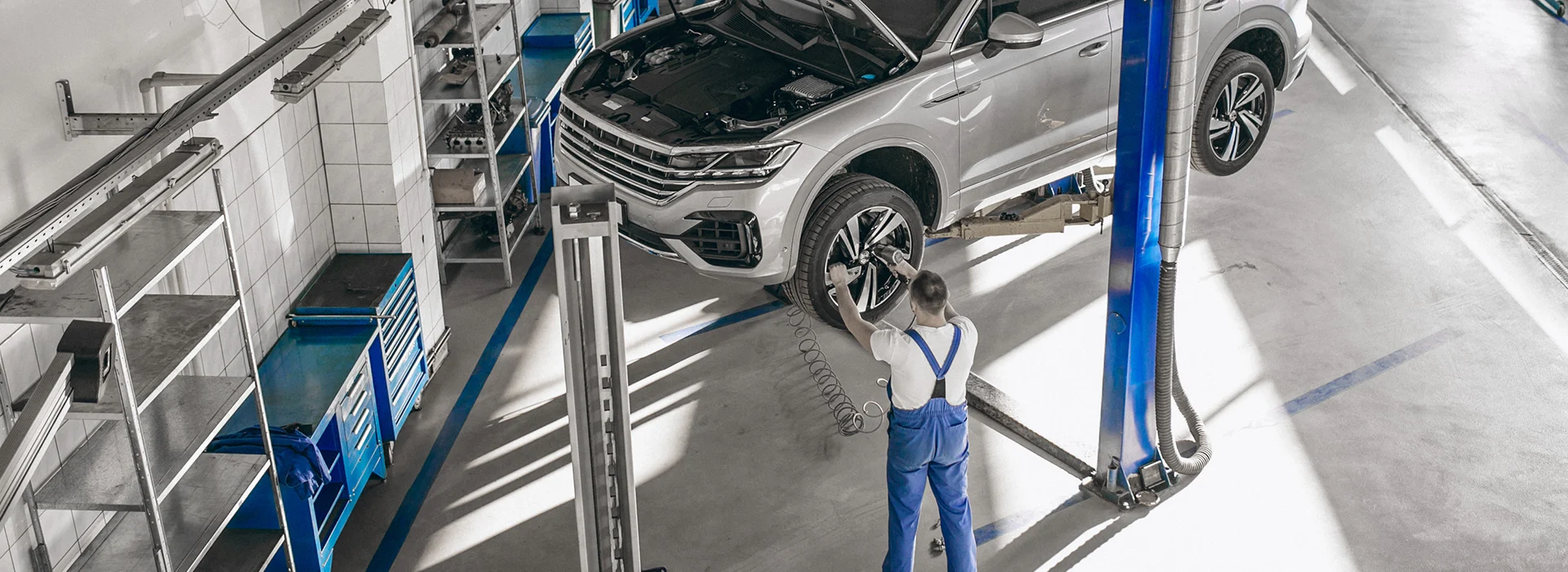
Our experienced technicians specialize in comprehensive suspension services designed to identify and fix issues promptly. Whether you’re experiencing uneven tire wear, unusual noises, or a rough ride, we’re here to help. We offer expert inspections and repairs that typically take about 60 minutes, ensuring you’re back on the road quickly and safely.
We pride ourselves on providing friendly, professional service tailored to the needs of car owners in Greenville and the surrounding areas. While costs can vary depending on the specific suspension work required, we strive to offer competitive pricing and transparent estimates so you can make informed decisions.
Trust Pugh’s Tire & Service Centers for all your suspension needs. Our commitment to quality and customer satisfaction makes us the go-to choice for reliable vehicle maintenance in Greenville, NC.
What is Suspension?
The suspension system is a network of springs, linkages, and other components that connect your vehicle to its wheels. Its primary job is to absorb and dampen the impact from road irregularities like bumps and potholes, ensuring that your tires maintain contact with the road surface.
Role in Vehicle Safety
By keeping the tires firmly on the road, the suspension system enhances traction and stability. This is crucial during braking, cornering, and accelerating, as it helps prevent skidding and loss of control. A well-maintained suspension system also reduces the risk of accidents by improving your vehicle's handling and responsiveness.
Shock Absorbers: The Unsung Heroes
Shock absorbers are a key part of the suspension system. They control the rebound and compression of the springs, preventing excessive bouncing after hitting a bump. Without shock absorbers, your vehicle would continue to bounce uncontrollably, making it difficult to steer and increasing stopping distances.
Enhancing Ride Comfort
Beyond safety, suspension and shock absorbers significantly improve ride comfort. They smooth out the ride by absorbing shocks from uneven road surfaces, reducing vibrations and jolts felt inside the cabin. This means less fatigue for drivers and passengers, especially on long journeys.
In summary, the suspension system and shock absorbers work together to provide a safer, more comfortable driving experience. Regular maintenance of these components is essential to keep your vehicle performing at its best and to ensure your safety on the road.
- Excessive Bouncing: After hitting a bump, if your car continues to bounce more than usual, it’s a clear sign that the shock absorbers are worn out and not effectively dampening the movement.
- Uneven Tire Wear: Suspension problems can cause tires to wear unevenly or prematurely. Inspect your tires regularly for unusual wear patterns.
- Pulling to One Side: If your vehicle pulls to one side while driving or braking, it could indicate suspension issues affecting alignment.
- Leaking Fluid: Visible oil or fluid leaks on the shock absorbers or struts suggest that the seals are damaged and the component needs replacement.
- Nose Diving or Squatting: When braking, if the front of your car dips down sharply (nose diving) or the rear squats during acceleration, your shocks may be failing.
- Rattling or Clunking Noises: Strange noises when driving over bumps can indicate loose or damaged suspension parts.
- Steering Problems: Difficulty steering or a loose steering feel can be related to suspension wear.
Paying attention to these signs and addressing suspension issues promptly will help maintain your vehicle’s performance and ensure a safer driving experience.
Here's a friendly and professional outline of the process to inspect and diagnose suspension and shock absorber issues:
- Visual Inspection: Begin by examining the suspension components for any visible signs of damage or wear. Look for leaks around the shock absorbers, cracked or broken bushings, and any bent or damaged parts.
- Check for Uneven Tire Wear: Uneven tire wear can indicate suspension problems. Inspect your tires for unusual wear patterns, which might suggest misalignment or worn suspension parts.
- Perform a Bounce Test: Push down firmly on each corner of the vehicle and release. If the car bounces more than once or twice, the shock absorbers may be worn and need replacement.
- Listen for Noises: While driving, pay attention to any unusual noises such as clunks, squeaks, or rattles, which can indicate loose or damaged suspension components.
- Check Steering and Handling: Notice if the vehicle pulls to one side, feels unstable, or has excessive body roll during turns. These symptoms can point to suspension or shock absorber issues.
- Inspect Suspension Bushings and Joints: Look for cracked, torn, or missing bushings and check ball joints and tie rods for excessive play.
- Professional Diagnostic Tools: For a thorough diagnosis, consider having a mechanic use specialized equipment like a suspension tester or alignment machine to identify hidden problems.
Regular inspection and timely diagnosis of your suspension and shock absorbers will help ensure your vehicle remains safe and comfortable to drive. If you notice any signs of wear or damage, it's best to consult a professional mechanic promptly.
1. Twin-Tube Shock Absorbers
Twin-tube shock absorbers consist of two cylinders: an inner tube where the piston moves and an outer tube that holds excess oil. This design allows for a larger volume of oil, which helps in better heat dissipation.
Applications:
- Ideal for everyday driving and standard road conditions.
- Commonly found in passenger cars and light trucks.
- Offers a comfortable ride by absorbing minor bumps and vibrations effectively.
Advantages: Generally more affordable and provides a smooth, comfortable ride.
Considerations: May not perform as well under extreme or high-performance driving conditions due to potential aeration of the oil.
2. Monotube Shock Absorbers
Monotube shocks have a single tube design with a floating piston that separates the gas and oil. This setup allows for better heat dissipation and consistent performance.
Applications:
- Preferred in high-performance and off-road vehicles.
- Suitable for drivers who demand better handling and stability.
- Used in racing and heavy-duty applications where durability is key.
Advantages: Provides superior heat dissipation, better response, and improved handling.
Considerations: Typically more expensive and may offer a firmer ride, which might be less comfortable for everyday driving.
Summary
Choosing between monotube and twin-tube shock absorbers depends largely on your driving needs and vehicle type. For regular city and highway driving, twin-tube shocks offer comfort and cost-effectiveness. However, if you require enhanced performance, durability, and handling—especially in demanding conditions—monotube shocks are the better choice.
Understanding these differences helps you maintain your car's suspension system effectively, ensuring safety and comfort on every journey.
Driving with faulty suspension or shock absorbers can lead to several serious consequences:
- Reduced Handling and Stability: Faulty suspension components compromise your vehicle's ability to absorb road shocks, resulting in poor handling. This can make steering less responsive and increase the risk of losing control, especially during sudden maneuvers or on uneven surfaces.
- Increased Tire Wear: When the suspension is not functioning properly, tires may not maintain consistent contact with the road. This uneven pressure causes irregular tire wear, reducing tire lifespan and potentially leading to costly replacements.
- Longer Braking Distances: A damaged suspension affects weight distribution during braking, which can increase stopping distances and elevate the risk of accidents.
- Uncomfortable Ride: Faulty shock absorbers fail to dampen bumps and vibrations, making your driving experience less comfortable and more tiring over time.
Regular maintenance and timely repairs of your suspension system are essential to ensure your vehicle remains safe, efficient, and comfortable to drive.
- Regular Inspections: Periodically check your suspension system for signs of wear or damage. Look for leaking shock absorbers, worn bushings, or cracked springs. Early detection can prevent costly repairs down the line.
- Keep Tires Properly Inflated: Maintaining the correct tire pressure reduces unnecessary stress on suspension parts. Uneven or low tire pressure can lead to uneven wear and affect suspension performance.
- Wheel Alignment and Balancing: Misaligned wheels can cause uneven tire wear and strain suspension components. Have your alignment and wheel balance checked regularly, especially after hitting potholes or curbs.
- Avoid Overloading Your Vehicle: Carrying excessive weight puts extra pressure on the suspension system, accelerating wear. Stick to your vehicle's recommended load limits to keep suspension components healthy.
- Drive Carefully: Smooth driving habits, such as avoiding sudden stops, sharp turns, and rough roads when possible, help reduce stress on your suspension.
- Replace Worn Parts Promptly: If you notice symptoms like unusual noises, excessive bouncing, or poor handling, have your suspension inspected and replace any worn components promptly to maintain safety and comfort.
By following these tips, you can enjoy a smoother ride and extend the life of your car's suspension system. Regular maintenance not only enhances driving comfort but also contributes to overall vehicle safety.