








Radiator Flush Service at VisiCore: Keep Your Engine Cool and Efficient
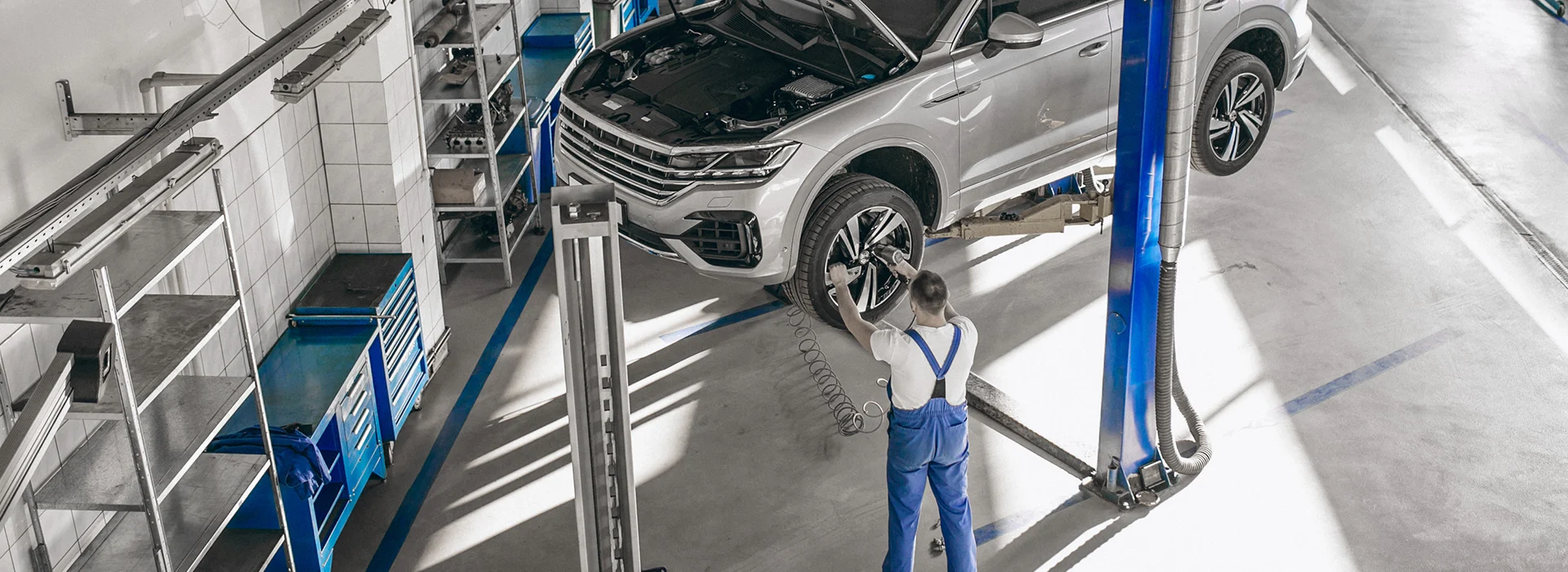
During the service, which typically takes about 60 minutes, our skilled technicians thoroughly flush out old coolant and contaminants, replacing them with fresh, high-quality fluid. This process helps prevent overheating, corrosion, and costly repairs down the line.
We cater to all car owners who want to extend the life of their vehicles and maintain optimal engine temperature. While the average cost of a radiator flush can vary, investing in this service at VisiCore ensures you receive expert care and reliable results.
Don't wait for warning signs like engine overheating or coolant leaks. Schedule your radiator flush with VisiCore today and enjoy peace of mind knowing your car's cooling system is in top condition.
The radiator plays a crucial role in regulating your engine's temperature by circulating coolant through the engine and radiator. Over time, the coolant can become dirty and less effective, leading to overheating and potential engine damage.
Performing a radiator flush helps to:
- Remove buildup: It clears out rust, scale, and sludge that accumulate inside the cooling system.
- Improve cooling efficiency: Fresh coolant flows better, keeping your engine at the optimal temperature.
- Prevent corrosion: Old coolant can become acidic and cause corrosion inside the radiator and engine components.
- Extend radiator life: Regular flushing helps maintain the radiator's condition and prevents leaks.
In summary, a radiator flush is an essential part of vehicle maintenance that ensures your engine stays cool and runs smoothly. It is recommended to have a radiator flush performed according to your vehicle manufacturer's guidelines or if you notice signs like overheating, coolant discoloration, or leaks.
What is a Radiator Flush?
A radiator flush involves draining the old coolant from your car's radiator and replacing it with fresh coolant. This process helps remove rust, scale, and other debris that can accumulate over time, preventing overheating and extending the life of your engine.
Recommended Frequency for a Radiator Flush
Generally, it is recommended to perform a radiator flush every 30,000 miles or every 2 to 3 years, whichever comes first. However, this can vary depending on your car's make, model, and driving conditions. Always consult your vehicle's owner's manual for specific guidelines.
Signs You Might Need a Radiator Flush Sooner
If you notice any of the following, it might be time to flush your radiator earlier than scheduled:
- Engine overheating frequently
- Coolant appears rusty or dirty
- Unusual smells coming from the engine
- Visible leaks or corrosion around the radiator
Benefits of Regular Radiator Flushes
Performing regular radiator flushes helps keep your car's cooling system in top shape, preventing costly repairs and ensuring your engine stays cool during operation.
In summary, to keep your car running efficiently, aim to perform a radiator flush every 2 to 3 years or 30,000 miles, and always pay attention to any signs that might indicate the need for earlier maintenance.
- Overheating Engine: If your engine temperature gauge frequently rises above normal or your car overheats, it could be due to clogged or dirty coolant that needs flushing.
- Discolored or Sludgy Coolant: When you check your radiator or coolant reservoir, the coolant should be bright and clear (usually green, orange, or yellow depending on the type). If it looks rusty, brown, or has a thick, sludgy texture, it’s a sign contaminants have built up and a flush is needed.
- Coolant Leaks: Leaks around the radiator or hoses can sometimes be caused by corrosion inside the cooling system. Flushing the radiator can help remove corrosive deposits and prevent further leaks.
- Heater Not Working Properly: If your car’s heater isn’t blowing warm air as it should, it might be due to clogged coolant passages, which a radiator flush can clear.
- Unusual Smells or Steam: A sweet smell inside or outside the car or steam coming from under the hood can indicate coolant issues that may require a flush.
Regular radiator flushes help remove rust, scale, and other debris from your cooling system, improving efficiency and extending the life of your vehicle. If you notice any of these signs, consider scheduling a radiator flush with a trusted mechanic to keep your car running at its best.
Let's explore both options to help you make an informed decision.
Doing a Radiator Flush Yourself
If you enjoy hands-on car maintenance and have some basic mechanical skills, performing a radiator flush yourself can be a rewarding and cost-effective option. Here’s what you need to know:
- Tools and Materials: You’ll need a radiator flush solution, distilled water, a drain pan, gloves, and possibly new coolant.
- Process: The general steps include draining the old coolant, flushing the radiator with the flush solution and water, draining again, and refilling with fresh coolant.
- Precautions: Make sure the engine is cool before starting to avoid burns. Properly dispose of old coolant as it is toxic and harmful to the environment.
While it’s not overly complicated, it does require some time, patience, and attention to detail.
Having a Mechanic Perform the Radiator Flush
If you’re not comfortable working on your car or want to ensure the job is done thoroughly, taking your vehicle to a professional mechanic is a great choice. Benefits include:
- Expertise: Mechanics have the experience to identify any underlying issues with your cooling system during the flush.
- Proper Equipment: They use specialized tools to perform a more effective flush.
- Convenience: Saves you time and effort, letting you focus on other priorities.
Final Thoughts
Whether you choose to do a radiator flush yourself or hire a mechanic depends on your comfort level, tools, and time. Regular radiator flushes are essential for your car’s health, so don’t skip this maintenance task. If in doubt, consulting a professional ensures your cooling system stays in top shape.
1. Overheating Engine
Over time, the coolant in your radiator can become contaminated with rust, scale, and debris. This buildup reduces the coolant's effectiveness, leading to poor heat transfer and causing your engine to overheat. An overheated engine can result in severe damage and costly repairs.
2. Corrosion and Rust
Old coolant loses its anti-corrosive properties, allowing rust and corrosion to form inside the radiator and cooling system. This corrosion can create leaks and damage vital components, compromising your vehicle's cooling efficiency.
3. Clogged Radiator and Hoses
Debris and sediment accumulation can clog the radiator and hoses, restricting coolant flow. This blockage can cause uneven cooling, hotspots, and increased engine wear.
4. Reduced Heater Performance
Your car's heater relies on hot coolant circulating through the heater core. A clogged or dirty cooling system can reduce heater efficiency, making your cabin less comfortable during cold weather.
5. Increased Repair Costs
Neglecting radiator flushes can lead to expensive repairs, such as replacing the radiator, water pump, thermostat, or even the engine itself. Regular flushing helps prevent these issues and saves you money in the long run.
In summary, skipping a radiator flush for too long can cause overheating, corrosion, clogs, reduced heater performance, and costly repairs. To keep your car running smoothly and avoid these problems, it's best to follow your manufacturer's recommended radiator flush intervals.
Here are some of the best products and solutions to use during a radiator flush:
- Commercial Radiator Flush Solutions: These are specially formulated chemical cleaners designed to break down rust, corrosion, and sludge inside the cooling system. Popular brands include Prestone Radiator Flush, BlueDevil Radiator Flush, and Bar's Leaks Radiator Flush. They are easy to use and safe for most vehicles when used as directed.
- Distilled Water: After using a chemical flush, it’s important to thoroughly rinse the system with distilled water. Unlike tap water, distilled water doesn’t contain minerals that can cause further buildup or corrosion.
- Coolant/Antifreeze: Once the flush is complete and the system is clean, refill with the appropriate type and mixture of coolant recommended by your vehicle manufacturer. This helps protect the radiator and engine from overheating and freezing.
- Homemade Solutions (Use with Caution): Some car owners use a mixture of baking soda and water or vinegar to flush their radiators. While these can help remove minor deposits, they are not as effective or safe as commercial products and should be used carefully to avoid damaging the cooling system.
Remember, always consult your vehicle’s owner manual or a professional mechanic before performing a radiator flush to ensure you use the right products and procedures for your specific car model.
By selecting the right radiator flush products and following proper steps, you can extend the life of your cooling system and keep your car running efficiently.
So, how much does a typical radiator flush service cost?
The price for a radiator flush can vary depending on several factors, including your location, the type of vehicle you own, and the service provider. On average, you can expect to pay between $100 and $150 for a professional radiator flush service.
This cost usually includes draining the old coolant, flushing the system with a cleaning solution, and refilling it with fresh coolant. Some shops may also inspect hoses and the radiator cap as part of the service.
While it might be tempting to skip this service, regular radiator flushes can prevent overheating and costly engine repairs down the road. Most manufacturers recommend a radiator flush every 30,000 to 60,000 miles, but it's always best to check your vehicle's owner's manual for specific guidance.
In summary, budgeting around $100 to $150 for a radiator flush is a smart investment in your car's health and longevity.