









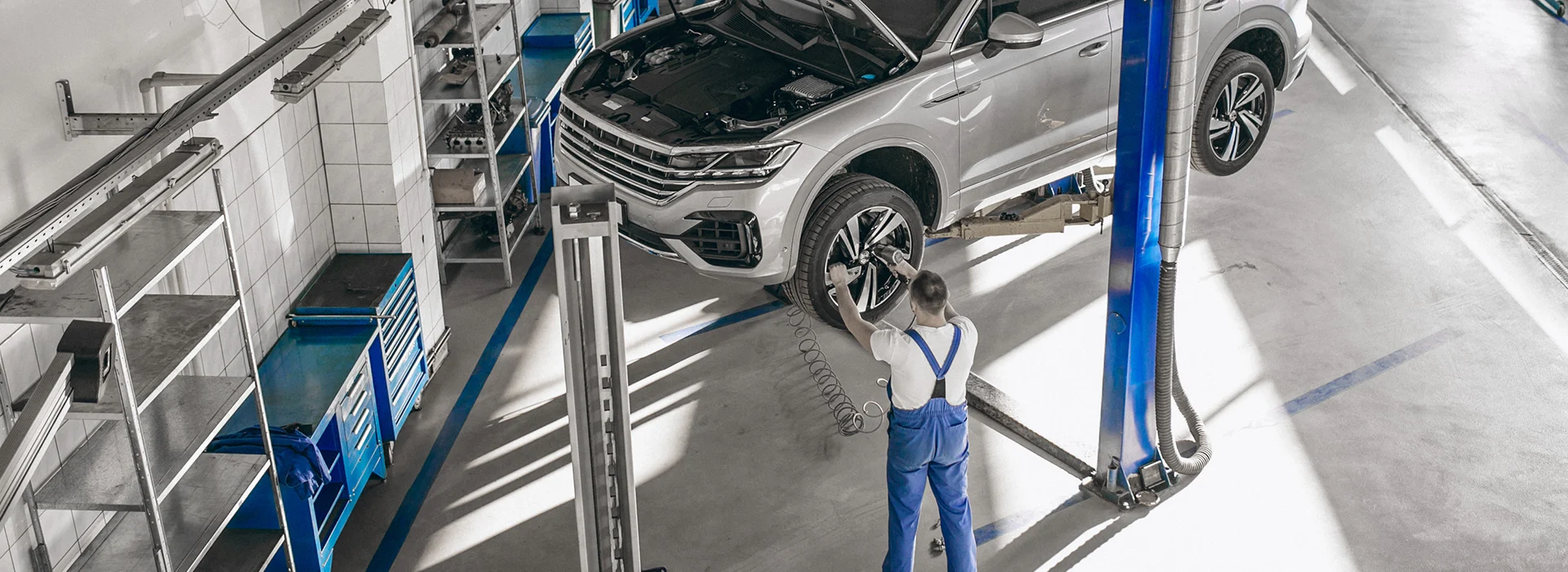
Reliable Heating Services at Pugh’s Tire & Service Centers in Greenville, NC
Whether you’re experiencing issues with your car’s heater core, thermostat, or blower motor, we offer comprehensive diagnostics and repairs to get your heating system back in perfect working order. Our services typically take about 60 minutes, ensuring a quick and efficient experience without compromising quality.
We pride ourselves on friendly and professional service tailored to car owners who value reliability and comfort. At Pugh’s Tire & Service Centers, we combine expert knowledge with quality parts to deliver heating solutions that last. While costs can vary depending on the specific repair, we strive to offer competitive pricing and transparent estimates to keep you informed every step of the way.
Visit us in Greenville, NC, and let our team help you maintain a cozy and safe driving environment. Trust Pugh’s Tire & Service Centers for all your vehicle heating needs!
First and foremost, a reliable heating system ensures that the interior of your vehicle stays warm and comfortable. This warmth helps prevent discomfort and distractions caused by the cold, allowing you to focus better on driving. When you're cozy behind the wheel, your reaction times improve, and your overall driving experience becomes safer.
Beyond comfort, the heating system plays a vital role in maintaining clear visibility. It powers the defroster and defogger, which remove condensation and frost from your windshield and windows. Without these functions working properly, your vision can become impaired, increasing the risk of accidents.
Moreover, a well-maintained heating system contributes to the overall health and safety of passengers. Prolonged exposure to cold temperatures inside a vehicle can lead to hypothermia or other cold-related health issues, especially for vulnerable individuals like children and the elderly.
In summary, ensuring your car's heating system is in good working order is essential for:
- Comfort: Keeps the cabin warm and cozy during cold weather.
- Safety: Prevents distractions caused by cold discomfort and improves focus.
- Visibility: Clears frost and fog from windows for safe driving.
- Health: Protects passengers from cold-related health risks.
Regular maintenance and timely repairs of your car's heating system can help you enjoy a safer and more comfortable driving experience throughout the winter months.
- Insufficient Heat Output: If you notice that your car's heater is blowing cold or lukewarm air instead of warm air, it could be a sign of a malfunctioning heater core or low coolant levels.
- Unusual Noises: Strange sounds such as banging, gurgling, or hissing when you turn on the heater may indicate air trapped in the cooling system or a failing heater core.
- Sweet Smell Inside the Car: A sweet, syrupy odor inside the cabin often points to a coolant leak, which can affect the heating system's performance and may be hazardous.
- Foggy or Moist Windows: Persistent fogging or moisture buildup on the inside of your windows when the heater is on can signal a leaking heater core or clogged ventilation system.
- Engine Overheating: Since the heating system relies on the engine's coolant, overheating can be related to heater core issues or coolant circulation problems.
- Coolant Leaks Under the Vehicle: Puddles of coolant beneath your car may indicate a leak in the heating system components.
If you experience any of these signs, it's advisable to have your car's heating system inspected by a professional technician promptly. Regular maintenance can help ensure your heating system operates efficiently, keeping you comfortable and safe on the road.
1. Check the Thermostat Functionality
- Start the Engine: Turn on your car and let it warm up. Pay attention to the temperature gauge on your dashboard.
- Observe Temperature Changes: If the gauge remains low or fluctuates erratically, the thermostat might be stuck open or closed.
- Feel the Heater Output: Place your hand near the heater vents. If the air remains cold despite the engine warming up, the thermostat could be malfunctioning.
- Inspect for Physical Damage: If comfortable, locate the thermostat housing and check for leaks or corrosion.
2. Assess Coolant Levels
- Locate the Coolant Reservoir: Usually a translucent plastic tank near the radiator.
- Check Coolant Level: Ensure the coolant is between the 'MIN' and 'MAX' marks. Low levels can cause poor heating performance.
- Look for Leaks: Inspect under the car and around the engine bay for any signs of coolant leaks.
- Top Up if Necessary: Use the recommended coolant type for your vehicle to refill the reservoir.
3. Additional Tips
- Listen for Unusual Noises: Gurgling sounds may indicate trapped air in the cooling system.
- Check Heater Core: A clogged heater core can reduce heat output; professional cleaning might be required.
- Consult a Professional: If issues persist after these checks, seek assistance from a qualified mechanic.
By following these steps, you can effectively diagnose common heating system issues in your car, ensuring a warm and comfortable ride all year round.
Heating Systems in Older Vehicles
Older vehicles typically rely on a basic heating system that uses engine coolant to generate warmth. Here's how it works:
- The engine heats up as it runs.
- Coolant circulates through the engine, absorbing heat.
- The heated coolant passes through a heater core, which acts like a small radiator inside the cabin.
- Air is blown over the heater core and into the cabin, providing warmth.
While this system is straightforward and reliable, it has some limitations:
- Slow warm-up time: It takes time for the engine to reach operating temperature before the heater produces warm air.
- Limited control: Temperature adjustments are less precise, often relying on manual controls.
- Energy inefficiency: The system depends entirely on engine heat, which can be wasteful and less effective in very cold conditions.
Heating Systems in Newer Vehicles
Modern vehicles have incorporated advanced heating technologies to enhance comfort and efficiency:
- Electric heaters: Some cars use electric heating elements that provide instant warmth without waiting for the engine to heat up.
- Heat pumps: These systems can both heat and cool the cabin by transferring heat efficiently, reducing energy consumption.
- Improved climate control: Automatic climate control systems use sensors and digital controls to maintain precise cabin temperatures.
- Waste heat recovery: Newer engines and hybrid systems optimize the use of waste heat to warm the cabin more effectively.
These innovations lead to several benefits for car owners:
- Faster heating: Instant or quicker warm-up times improve comfort during cold starts.
- Energy efficiency: Reduced fuel consumption and lower emissions due to smarter heat management.
- Enhanced comfort: Precise temperature control and even heat distribution.
In Summary
While older vehicle heating systems rely on simple engine heat transfer, newer systems incorporate electric elements, heat pumps, and smart controls to improve efficiency and comfort. For car owners, these advancements mean a warmer cabin faster, less wasted energy, and a more enjoyable driving experience during cold weather.
- Foggy Windows: One of the most immediate dangers is the inability to defog or defrost your windows effectively. A malfunctioning heater means the windshield and windows can fog up, significantly reducing visibility and increasing the risk of accidents.
- Engine Overheating: Although the heating system primarily affects the cabin, it is closely linked to the engine's cooling system. A faulty heater core or related components can disrupt proper engine temperature regulation, potentially leading to engine overheating and costly repairs.
- Cabin Discomfort: Beyond safety, a broken heating system results in an uncomfortable driving environment, especially during cold weather. This discomfort can distract you from focusing on the road, indirectly affecting your driving performance.
Ensuring your car's heating system is in good working order not only keeps you warm but also helps maintain clear visibility and engine health. Regular maintenance and prompt repairs are key to avoiding these risks and enjoying a safe, comfortable drive.
- Regularly Check Coolant Levels: The heating system relies heavily on the engine's coolant to generate warmth. Make it a habit to check the coolant level in the reservoir regularly. Low coolant can lead to insufficient heating and may cause engine overheating. Always use the coolant type recommended by your vehicle manufacturer.
- Inspect for Coolant Leaks: Leaks can reduce coolant levels and introduce air into the system, impairing heater performance. Look for puddles under your car or a sweet smell inside the cabin, which might indicate a leak.
- Flush the Cooling System Periodically: Over time, rust and debris can accumulate, affecting the heater core's efficiency. Flushing the cooling system as per your car's maintenance schedule helps keep the system clean and functioning optimally.
- Prevent Heater Core Blockages: The heater core acts like a small radiator inside your dashboard. Blockages can cause weak or no heat output. Using clean coolant and regular system flushes can prevent buildup. If you notice a sweet smell inside the car or foggy windows, it might be a sign of heater core issues.
- Check the Thermostat: A malfunctioning thermostat can prevent the engine from reaching the proper temperature, affecting the heating system. If your car takes too long to warm up or overheats, have the thermostat inspected.
- Use the Heater Regularly: Running the heater periodically, even in warmer months, helps maintain the system by circulating coolant and preventing seals from drying out.
By following these simple maintenance tips, you can enjoy a warm and comfortable ride while extending the life of your car's heating system. Remember, regular care not only ensures comfort but also enhances your vehicle's overall performance.