









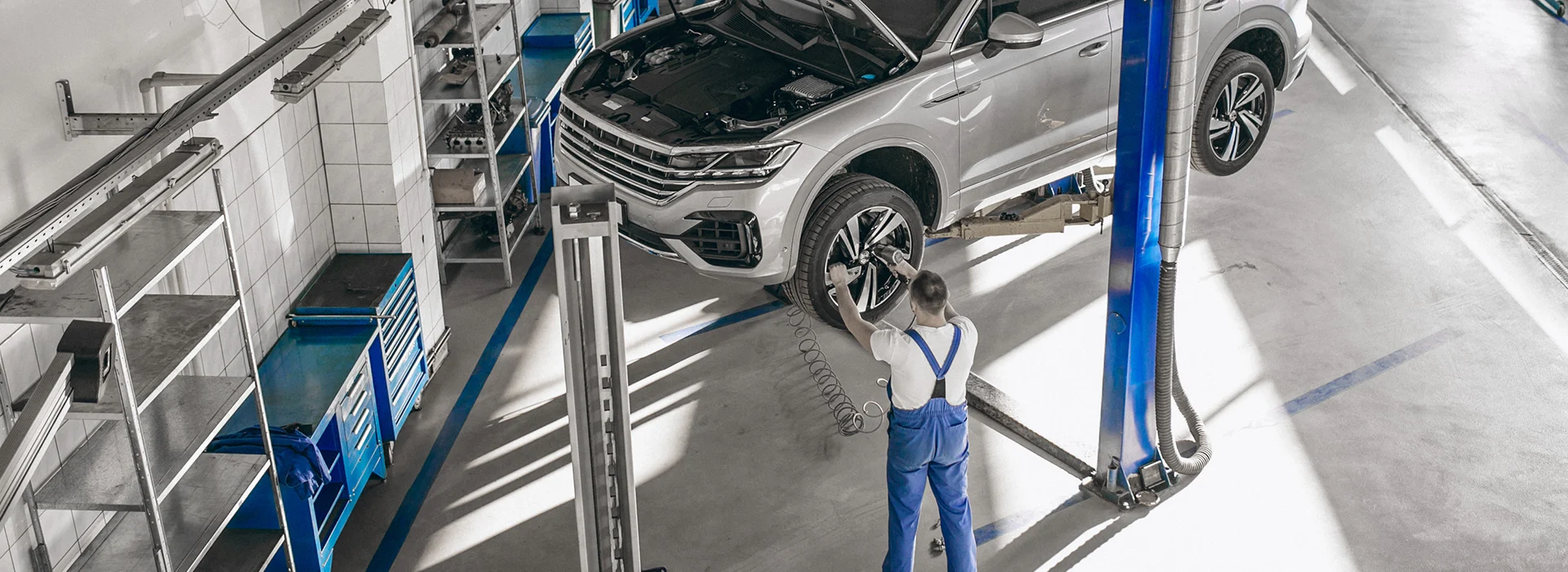
Stay Cool and Save with Expert AC Service in Greenville, NC
Our experienced technicians offer reliable AC maintenance and repairs designed to improve your vehicle’s performance and even enhance your gas mileage. With an average service cost of just $70 and a typical duration of about 60 minutes, we make it easy and affordable to stay comfortable on the road.
Whether you’re dealing with a weak airflow, strange noises, or just want to ensure your AC system is running efficiently before the heat hits, Pugh’s Tire & Service Centers is your go-to choice in Greenville. We pride ourselves on friendly, professional service that North Carolina car owners can trust.
Don’t let the summer heat get the best of you. Visit us today and experience the difference of expert AC care that keeps you cool and saves you money.
Why is regular AC maintenance important?
- Enhanced Comfort: A properly functioning AC system provides consistent cooling, making your driving experience more pleasant, especially during summer months or in hot climates.
- Improved Air Quality: Over time, dust, pollen, and other pollutants can accumulate in your AC system's filters and ducts. Regular maintenance ensures these contaminants are removed, reducing allergens and preventing unpleasant odors inside your car.
- Prevention of Costly Repairs: Routine checks can identify minor issues before they escalate into major problems, saving you money on expensive repairs and prolonging the lifespan of your AC system.
- Energy Efficiency: A well-maintained AC system operates more efficiently, reducing the strain on your vehicle's engine and potentially improving fuel economy.
In summary, regular air conditioning maintenance is vital for maintaining a comfortable and healthy environment inside your vehicle. By scheduling periodic inspections and servicing, you ensure your AC system performs optimally, providing you with clean, cool air every time you hit the road.
- Weak or Warm Airflow: If your AC is blowing air that isn’t as cold as it used to be or feels warm, it’s a clear sign that the system might be low on refrigerant or has a leak.
- Unusual Noises: Strange sounds like grinding, squealing, or rattling when you turn on the AC can indicate mechanical issues such as a failing compressor or loose components.
- Foul Odors: A musty or moldy smell coming from the vents often points to mold or bacteria buildup in the AC system, which requires cleaning and servicing.
- Water Leaks Inside the Car: Excess moisture or water pooling on the passenger side floor can mean a clogged or damaged drain tube in the AC system.
- AC System Doesn’t Turn On: If the AC fails to activate when you press the button, it could be due to electrical problems, a blown fuse, or a faulty compressor.
- Increased Fuel Consumption: A malfunctioning AC system can cause your engine to work harder, leading to higher fuel usage.
Paying attention to these signs and addressing them promptly with professional servicing will ensure your car’s AC system remains efficient and reliable. Regular maintenance not only enhances comfort but also extends the lifespan of your vehicle’s air conditioning system.
1. Diagnosing Low Refrigerant
- Check the Cooling Performance: If your AC blows warm or less cold air, low refrigerant could be the culprit.
- Inspect for Leaks: Look for oily residue around AC components, which may indicate refrigerant leaks.
- Use a Pressure Gauge: Connect an AC pressure gauge to the service port to measure refrigerant levels accurately.
Fixing Low Refrigerant:
- Locate and Repair Leaks: Before refilling, ensure any leaks are fixed to prevent future loss.
- Recharge the System: Use the correct type and amount of refrigerant specified for your vehicle.
- Test the AC: After recharging, run the AC to confirm improved cooling performance.
2. Diagnosing Clogged Filters
- Reduced Airflow: Notice if the airflow from vents is weaker than usual.
- Visual Inspection: Locate the cabin air filter and check for dirt, leaves, or debris clogging it.
Fixing Clogged Filters:
- Remove the Old Filter: Follow your car’s manual to access and remove the cabin air filter.
- Clean or Replace: Depending on the filter type, either clean it or replace it with a new one.
- Reinstall and Test: Put the filter back and check if airflow improves.
Regular maintenance, such as checking refrigerant levels and replacing filters, can keep your car's AC system running smoothly. If problems persist, consulting a professional mechanic is always a good idea to ensure your comfort and safety on the road.
1. Chemical Composition and Environmental Impact
R-134a, also known as tetrafluoroethane, has been the standard refrigerant in automotive AC systems for decades. However, it has a high Global Warming Potential (GWP) of about 1,430, meaning it contributes significantly to greenhouse gas emissions if leaked.
On the other hand, R-1234yf is a hydrofluoroolefin (HFO) refrigerant with a much lower GWP of less than 1. This makes it a more environmentally friendly alternative, aligning with global regulations aimed at reducing climate change impacts.
2. Performance in Vehicle Air Conditioning Systems
Both refrigerants effectively cool the vehicle interior, but there are subtle differences:
- Cooling Efficiency: R-1234yf offers similar cooling capacity to R-134a, ensuring comfortable cabin temperatures without compromising performance.
- Energy Consumption: Vehicles using R-1234yf may experience slightly improved energy efficiency, which can translate to marginal fuel savings and reduced emissions.
- System Compatibility: R-1234yf requires specific lubricants and components designed to handle its chemical properties, meaning older systems using R-134a cannot simply switch without modifications.
3. Safety Considerations
R-134a is non-flammable, which has made it a safe choice historically. R-1234yf is mildly flammable, classified as A2L, but extensive testing has shown it to be safe for automotive use when handled properly.
4. Regulatory Trends and Future Outlook
Due to environmental concerns, many countries have mandated the phase-out of R-134a in favor of low-GWP refrigerants like R-1234yf. New vehicles increasingly come equipped with R-1234yf systems, reflecting a shift towards sustainability in automotive air conditioning.
Conclusion
For car owners, understanding the difference between R-134a and R-1234yf helps in making informed decisions about maintenance and repairs. While both refrigerants provide effective cooling, R-1234yf offers environmental benefits and aligns with modern vehicle standards. If you own an older vehicle with R-134a, it's important to use the correct refrigerant and consider professional advice before any system upgrades.
1. Overheating: When the AC system is not working properly, it can cause the engine to overheat. This happens because the AC compressor puts extra load on the engine, and if it's malfunctioning, it may cause the engine to work harder than necessary, leading to overheating. Overheating can result in serious engine damage if not addressed promptly.
2. Reduced Cooling Efficiency: A malfunctioning AC system often results in poor cooling performance. This means the cabin won't cool down effectively, making driving uncomfortable, especially during hot weather. Reduced cooling efficiency can be caused by issues like refrigerant leaks, clogged filters, or faulty compressors.
3. Increased Fuel Consumption: When the AC system is not functioning optimally, it can cause the engine to consume more fuel. This happens because the engine has to work harder to compensate for the AC's inefficiency, leading to decreased fuel economy.
4. Potential Health Risks: A malfunctioning AC system can circulate dust, mold, or bacteria inside the car, which may cause allergic reactions or respiratory problems for passengers.
To avoid these risks, it's essential to maintain your car's AC system regularly and address any issues promptly. Regular check-ups can ensure your AC operates efficiently, keeping you comfortable and your vehicle running smoothly.
- Regular Cleaning: Dirt and debris can accumulate in the AC vents and filters, reducing airflow and efficiency. Clean or replace the cabin air filter every 12,000 to 15,000 miles or as recommended by your vehicle’s manufacturer. Also, periodically wipe down the vents to prevent dust buildup.
- Check Refrigerant Levels: The refrigerant is the heart of your AC system. Low refrigerant levels can cause the system to blow warm air and may damage the compressor. Have a professional check and recharge the refrigerant if necessary, typically every 1-2 years or when you notice a drop in cooling performance.
- Run the AC Regularly: Even in cooler months, running your AC for a few minutes weekly helps keep the system lubricated and prevents seals from drying out.
- Inspect for Leaks: Refrigerant leaks can compromise your AC’s efficiency. If you notice a sweet smell or oily residue around AC components, have your system inspected promptly.
- Professional Servicing: Schedule regular AC system inspections with a trusted mechanic to catch potential issues early and maintain optimal performance.
By following these simple maintenance tips, car owners can enjoy a reliable and efficient air conditioning system that keeps every drive comfortable.