









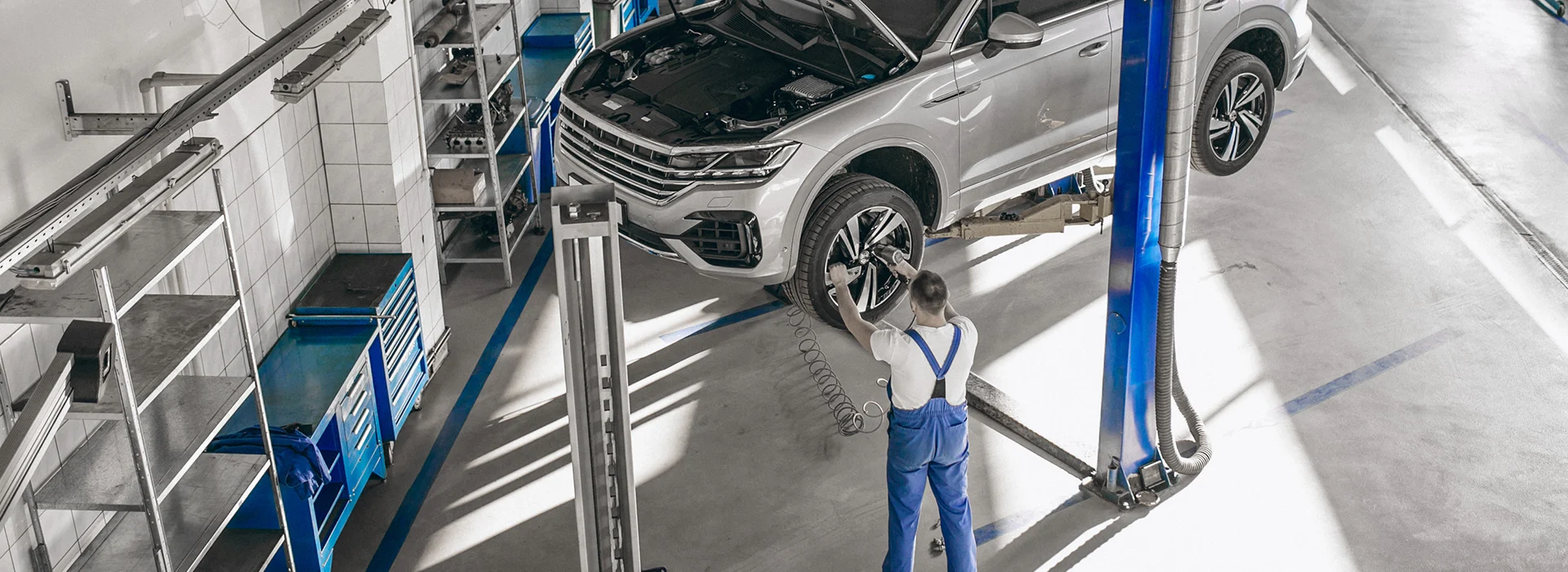
Expert Tire Balancing Services at Pugh’s Tire & Service Centers in Greenville, NC
Our tire balancing service typically takes about 60 minutes, making it a convenient option for busy car owners. Whether you’re experiencing vibrations at certain speeds or just want to maintain your vehicle’s optimal condition, our friendly and professional team is here to help. We pride ourselves on delivering quality service at a fair price, ensuring you get the best value for your investment.
Visit Pugh’s Tire & Service Centers in Greenville, NC, for reliable tire balancing that keeps your vehicle running smoothly and safely. Trust us to take care of your tires so you can enjoy a comfortable and secure ride every time you hit the road.
Unbalanced tires can lead to several issues, including increased tire wear, poor fuel efficiency, and even damage to suspension components. More importantly, they can compromise vehicle safety by affecting handling and stability, especially at higher speeds.
Regular tire balancing helps maintain smooth steering and reduces the risk of accidents caused by tire-related problems. It also extends the lifespan of your tires, saving you money in the long run. For car owners, scheduling tire balancing during routine maintenance or whenever you notice vibrations or uneven tire wear is a smart way to keep your vehicle running safely and efficiently.
In summary, tire balancing is essential for:
- Enhancing vehicle stability and control
- Preventing premature tire wear
- Improving fuel efficiency
- Ensuring a comfortable and smooth ride
- Protecting suspension and steering components
Don't overlook this simple yet vital service—balanced tires contribute significantly to your vehicle's performance and your safety on the road.
- Vibrations in the Steering Wheel: If you feel unusual vibrations in the steering wheel, especially at higher speeds, it could be a sign that your tires are out of balance.
- Uneven Tire Wear: Check your tires regularly for uneven wear patterns. Tires that wear unevenly often indicate an imbalance that needs correction.
- Vehicle Pulling to One Side: When your car pulls to one side while driving straight, it might be due to unbalanced tires affecting the vehicle's alignment.
- Increased Fuel Consumption: Unbalanced tires can cause your engine to work harder, leading to decreased fuel efficiency.
- Noise While Driving: Unusual noises, such as humming or buzzing sounds coming from the tires, can also suggest that balancing is required.
Paying attention to these signs and addressing tire balance issues promptly can improve your car's performance, extend tire life, and enhance safety on the road. If you notice any of these symptoms, consider visiting a professional to have your tires checked and balanced.
Here's an outline of the tire balancing process along with the essential tools required:
- Initial Inspection: Before balancing, the technician inspects the tires and wheels for any visible damage or irregularities.
- Mounting the Wheel: The wheel is removed from the vehicle and mounted onto a tire balancing machine.
- Spinning the Wheel: The machine spins the wheel at high speed to detect any imbalance by measuring vibrations.
- Identifying Imbalance: The machine indicates where and how much weight needs to be added to balance the tire properly.
- Applying Weights: Small wheel weights are attached to the rim at the specified locations to counteract the imbalance.
- Rechecking: The wheel is spun again to ensure the imbalance has been corrected. Adjustments are made if necessary.
- Reinstalling the Wheel: Once balanced, the wheel is remounted on the vehicle, and lug nuts are tightened to the manufacturer's specifications.
Essential Tools Required:
- Tire Balancing Machine: The primary tool that detects imbalance by spinning the wheel and measuring vibrations.
- Wheel Weights: Small weights made of lead or steel used to correct imbalance.
- Weight Pliers: Specialized pliers to attach and remove wheel weights safely.
- Socket Set or Lug Wrench: For removing and reinstalling wheels.
- Torque Wrench: Ensures lug nuts are tightened to the correct torque specification.
By understanding and performing regular tire balancing using these tools, car owners can enjoy a smoother ride, improved fuel efficiency, and enhanced tire longevity.
Static Tire Balancing
Static balancing addresses the vertical imbalance of a tire and wheel assembly. This means it corrects the weight distribution so that the tire doesn't cause the wheel to bounce up and down as it rotates. During static balancing, the tire and wheel are spun on a machine that detects heavy spots. Weights are then added to counterbalance these spots, ensuring the assembly remains stable when stationary or rotating at low speeds.
Dynamic Tire Balancing
Dynamic balancing, on the other hand, corrects both vertical and lateral imbalances. This means it balances the tire and wheel assembly in two planes, addressing side-to-side wobbling as well as up-and-down bouncing. The process involves spinning the tire and wheel at higher speeds on a balancing machine that detects imbalances in multiple directions. Weights are strategically placed on both the inside and outside edges of the wheel to achieve optimal balance.
Key Differences
- Scope of Balance: Static balancing corrects imbalance in one plane (vertical), while dynamic balancing corrects imbalance in two planes (vertical and lateral).
- Weight Placement: Static balancing typically requires weights on one side of the wheel; dynamic balancing requires weights on both sides.
- Performance Impact: Dynamic balancing provides a smoother ride at higher speeds and reduces tire wear more effectively than static balancing.
- Application: Modern vehicles generally require dynamic balancing due to higher speed capabilities and advanced suspension systems.
In summary, while static tire balancing can address basic imbalance issues, dynamic tire balancing offers a more comprehensive solution for maintaining tire performance and vehicle safety. For most car owners, especially those driving at highway speeds, dynamic balancing is the recommended choice to ensure a comfortable and safe ride.
- Uneven Tire Wear: Unbalanced tires cause certain areas of the tire to wear out faster, reducing the overall lifespan of your tires and leading to the need for premature replacements.
- Vibrations and Discomfort: You may experience noticeable vibrations in the steering wheel, floorboard, or seat, making your driving experience less comfortable and more fatiguing.
- Reduced Fuel Efficiency: When tires are unbalanced, your vehicle has to work harder to maintain speed, which can lead to increased fuel consumption.
- Strain on Suspension and Steering Components: The vibrations caused by unbalanced tires put extra stress on your car’s suspension and steering systems, potentially leading to costly repairs over time.
- Compromised Safety: Unbalanced tires can affect your vehicle’s handling and braking performance, increasing the risk of accidents.
For car owners, maintaining properly balanced tires is essential to ensure a smooth ride, extend tire life, and keep your vehicle safe and efficient. Regular tire balancing checks are a simple yet important part of vehicle maintenance.
- Regular Tire Balancing Checks: Have your tires balanced every 5,000 to 6,000 miles or whenever you notice vibrations while driving. Regular checks prevent uneven tire wear and improve handling.
- Inspect Tires for Damage: Frequently check your tires for any signs of damage, such as bulges, cracks, or uneven wear patterns. Damaged tires can affect balance and should be repaired or replaced promptly.
- Maintain Proper Tire Pressure: Keep your tires inflated to the manufacturer’s recommended pressure. Incorrect tire pressure can cause uneven wear and imbalance.
- Rotate Your Tires: Rotate your tires every 6,000 to 8,000 miles to ensure even wear across all tires, which helps maintain balance and prolongs tire life.
- Choose Quality Tires and Services: Invest in high-quality tires and have balancing done by experienced professionals using modern equipment for the best results.
- Be Mindful of Road Conditions: Avoid potholes, curbs, and rough roads when possible, as impacts can throw off tire balance.
By following these tips, you can enjoy a smoother ride and extend the life of your tires, making your driving experience safer and more comfortable.