









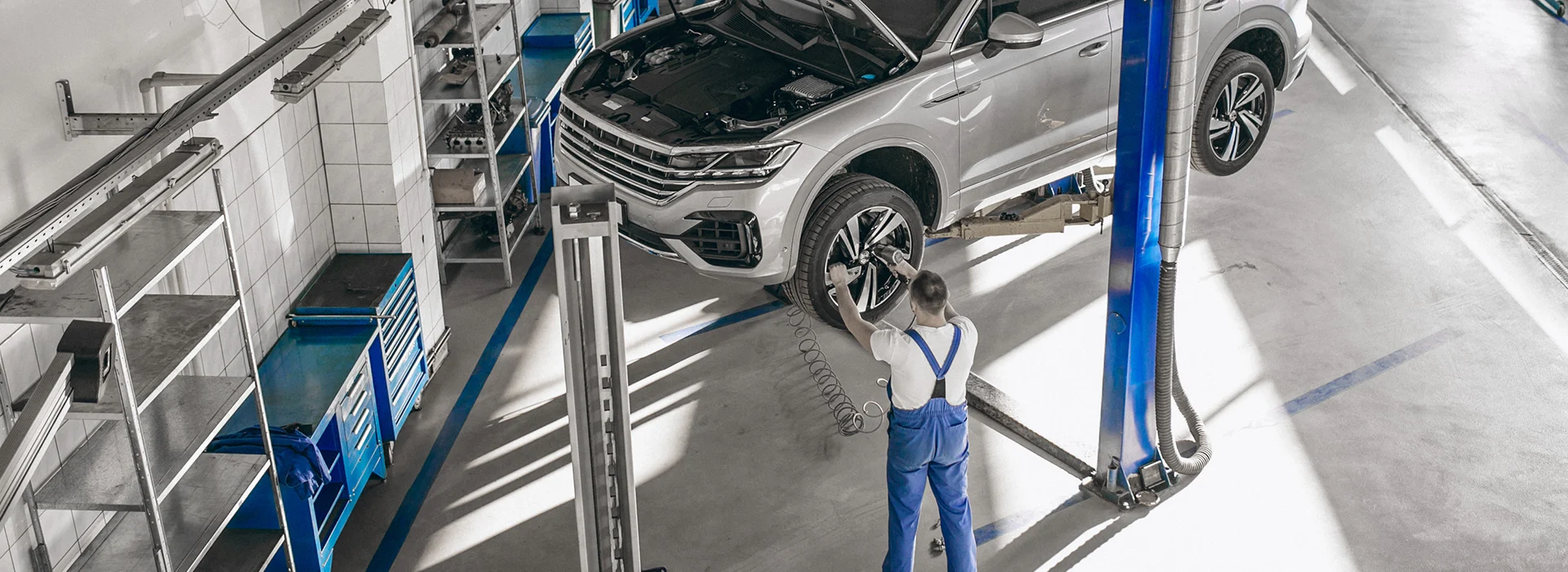
Reliable Battery Replacement Services at Pugh’s Tire & Service Centers in Greenville, NC
Whether your battery is showing signs of wear or has completely failed, we offer a quick and efficient replacement process that typically takes about 60 minutes. Our technicians use high-quality batteries designed to meet the specific needs of your vehicle, ensuring long-lasting power and reliability.
We pride ourselves on friendly and professional service, making your experience smooth and hassle-free. Our competitive pricing means you get excellent value without compromising on quality. If you’re a car owner in Greenville, NC, looking for trustworthy battery replacement, Pugh’s Tire & Service Centers is your go-to destination.
Visit us today to experience expert care and get your vehicle’s battery replaced promptly, so you can drive with confidence every day.
Over time, car batteries naturally lose their ability to hold a charge due to chemical wear and tear. When a battery becomes weak or fails, you may experience difficulty starting your vehicle, dimming headlights, or malfunctioning electrical accessories. These issues can leave you stranded or cause further damage to your vehicle's electrical components.
Replacing your battery before it completely fails ensures that your car starts smoothly and that all electrical systems operate efficiently. It also helps prevent unexpected breakdowns and costly repairs. Regular battery checks and timely replacement are simple yet effective ways to keep your vehicle running reliably.
In summary, prioritizing timely battery replacement is essential for:
- Reliable vehicle starting every time you turn the key.
- Optimal performance of electrical systems such as lights, radio, and onboard computers.
- Preventing inconvenient breakdowns and potential damage to other vehicle components.
By staying proactive with your battery maintenance, you can enjoy peace of mind and a dependable driving experience.
- Dim Headlights: If you notice your headlights are dimmer than usual, especially when idling, it could be a sign that your battery is losing its charge.
- Slow Engine Cranking: When you turn the key, if the engine cranks slowly or takes longer to start, your battery might be struggling to provide enough power.
- Electrical Issues: Problems with electrical components like power windows, radio, or dashboard lights can indicate a weak battery.
- Check Engine or Battery Warning Light: If the battery warning light appears on your dashboard, it's a clear signal to have your battery tested.
- Corroded Battery Terminals: Visible corrosion on the battery terminals can interfere with the electrical connection and reduce battery performance.
- Old Age: Car batteries typically last 3-5 years. If your battery is within or beyond this range, consider having it checked regularly.
Being attentive to these signs can help you replace your battery before it fails completely, ensuring your vehicle remains reliable. If you experience any of these symptoms, it's a good idea to visit a professional for a battery test and replacement if necessary.
Step 1: Prepare Your Tools and Safety Gear
Before you begin, gather the necessary tools: a wrench or socket set, gloves, and safety glasses. Wearing gloves and glasses protects you from battery acid and corrosion.
Step 2: Turn Off the Engine and Remove Keys
Ensure your car is turned off and the keys are removed from the ignition to prevent any electrical hazards.
Step 3: Locate the Battery
Open the hood and locate the battery. It’s usually near the front of the engine bay. Some vehicles may have a battery cover that needs to be removed.
Step 4: Disconnect the Negative Terminal First
Using your wrench, loosen the nut on the negative (-) terminal and carefully disconnect the cable. This step is crucial to avoid short circuits.
Step 5: Disconnect the Positive Terminal
Next, loosen the nut on the positive (+) terminal and disconnect the cable.
Step 6: Remove the Battery Hold-Down Clamp
Most batteries are secured with a clamp or bracket. Remove it using the appropriate tool.
Step 7: Carefully Remove the Battery
Car batteries can be heavy, so lift with care. Avoid tilting the battery to prevent acid spills.
Step 8: Clean the Battery Tray and Terminals
Inspect and clean any corrosion or debris from the battery tray and cable terminals using a battery cleaning solution or a mixture of baking soda and water.
Step 9: Place the New Battery in Position
Set the new battery into the tray, ensuring the terminals are in the correct orientation.
Step 10: Secure the Battery with the Hold-Down Clamp
Reattach the clamp or bracket to keep the battery firmly in place.
Step 11: Connect the Positive Terminal First
Attach and tighten the positive (+) cable to the battery terminal.
Step 12: Connect the Negative Terminal
Attach and tighten the negative (-) cable last.
Step 13: Double-Check Connections and Close the Hood
Ensure all connections are tight and secure. Close the hood and start your car to test the new battery.
By following these steps with care and attention, you can safely replace your car battery and keep your vehicle running smoothly. Remember, if you’re ever unsure, consulting a professional is always a wise choice.
1. Lead-Acid Batteries
Lead-acid batteries are the traditional choice for most vehicles. They are widely used due to their affordability and reliability.
- Advantages: Cost-effective, easy to recycle, and readily available.
- Best for: Standard gasoline or diesel cars with conventional electrical demands.
- Considerations: Heavier and have a shorter lifespan compared to newer technologies.
2. AGM (Absorbent Glass Mat) Batteries
AGM batteries are a type of lead-acid battery but with enhanced technology that improves performance.
- Advantages: Better resistance to vibration, faster charging, and longer lifespan than traditional lead-acid batteries.
- Best for: Vehicles with start-stop systems, luxury cars, and those with higher electrical demands.
- Considerations: More expensive than standard lead-acid batteries but offer improved durability.
3. Lithium Batteries
Lithium batteries are the newest option in automotive batteries, offering cutting-edge performance.
- Advantages: Lightweight, longer lifespan, faster charging, and higher energy density.
- Best for: Electric vehicles, high-performance cars, and owners seeking advanced technology.
- Considerations: Higher upfront cost and may require compatible charging systems.
Summary: For everyday vehicles, traditional lead-acid batteries provide a reliable and budget-friendly option. AGM batteries are ideal for cars with advanced electrical systems or start-stop technology, offering enhanced durability. Lithium batteries suit electric and high-performance vehicles, delivering superior performance but at a higher price point.
When considering a battery replacement, evaluate your vehicle type, driving habits, and budget to choose the battery that best meets your needs. Consulting with a professional can also help ensure you select the optimal battery for your car.
Electrical System Failures: A weak or dying battery may not provide sufficient power to your car's electrical components. This can cause issues such as dimming headlights, malfunctioning dashboard lights, or problems with the radio and other electronic accessories. In some cases, critical systems like the fuel injection or ignition system may fail, leading to poor engine performance or stalling.
Being Stranded: One of the most inconvenient and potentially dangerous risks of a failing battery is the possibility of your car not starting at all. This can leave you stranded, especially in remote areas or during extreme weather conditions. Without a reliable battery, jump-starting your vehicle might be necessary, which can be time-consuming and stressful.
To avoid these risks, regular battery maintenance and timely replacement are essential. Keeping your battery in good condition ensures your vehicle runs smoothly and helps prevent unexpected breakdowns.
- Regular Cleaning: Dirt and corrosion on battery terminals can hinder electrical flow. Clean the terminals periodically using a mixture of baking soda and water with a soft brush. Make sure to disconnect the battery before cleaning to avoid any electrical hazards.
- Check for Corrosion: Corrosion appears as a white, ashy substance around the battery terminals. It can cause poor connections and reduce battery efficiency. After cleaning, apply a thin layer of petroleum jelly or terminal protectant spray to prevent future corrosion.
- Avoid Extreme Temperatures: Both excessive heat and cold can negatively impact your battery's performance. Whenever possible, park your car in a garage or shaded area to protect the battery from temperature extremes.
- Limit Short Trips: Frequent short trips prevent the battery from fully charging. Try to combine errands or take longer drives occasionally to keep the battery charged.
- Turn Off Electrical Components: Before turning off your car, make sure to switch off lights, radio, and other electrical accessories to avoid draining the battery when the engine is off.
- Regular Battery Testing: Have your battery tested during routine vehicle maintenance to catch any issues early. Many auto shops offer free battery testing services.
By following these simple tips, you can help ensure your car battery remains healthy and lasts longer, keeping your vehicle running smoothly. Remember, a well-maintained battery is key to dependable starts and overall vehicle performance.